Legal notice according to § 12 (2 & 3) of the German Investment Act (Vermögensanlagengesetz): The purchase of this asset investment involves considerable risks and can lead to the complete loss of the deployed assets. The projected return is not guaranteed and may also be lower.
Investment key figures
Returns and multiples explained Calculate individual return
Description
Description

Short description
We have developed a nanotechnology that addresses a global problem: the opioid crisis. According to the WHO, around 600,000 people died from drug-related causes in 2019 – nearly 80% of these were related to opioids. A central driver of this crisis is postoperative pain therapy: many addictions begin immediately after a medical procedure. This must – and can – be prevented.
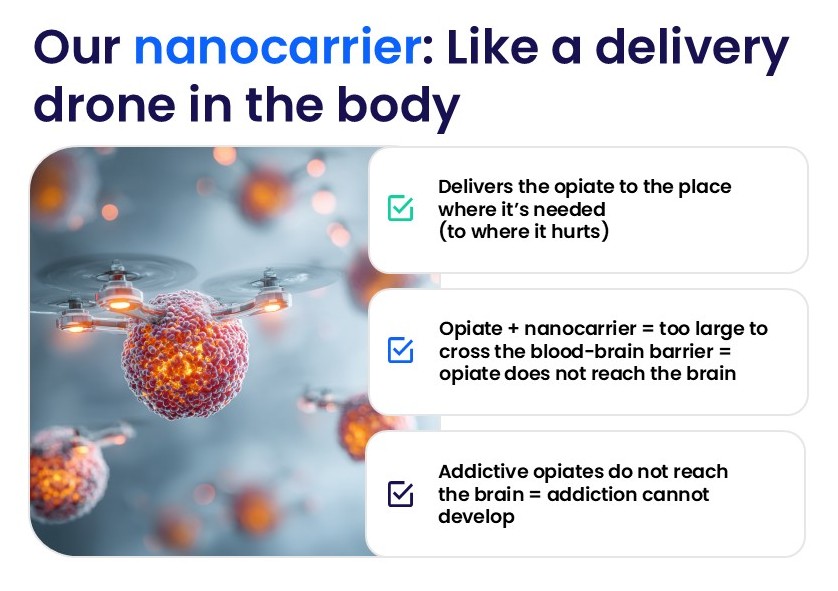
Our solution is a patented nano-drug technology that redefines pain treatment. We combine proven, already approved active ingredients with our nanocarrier. This microscopic carrier surrounds the active ingredient (e.g., the opioid) and delivers it precisely to where it is needed – such as inflamed or injured tissue.
The decisive advantage: the active ingredient does not reach the brain. This significantly reduces the risk of addiction and typical opioid side effects such as respiratory depression, nausea, constipation, sedation, and strong emotional blunting.

We took over the project in 2017 after the first proof of principle from the Free University of Berlin and Charité, and the development is now approximately 85% complete. As a generic (known active ingredient + innovative carrier), the approval process is significantly faster and simpler.
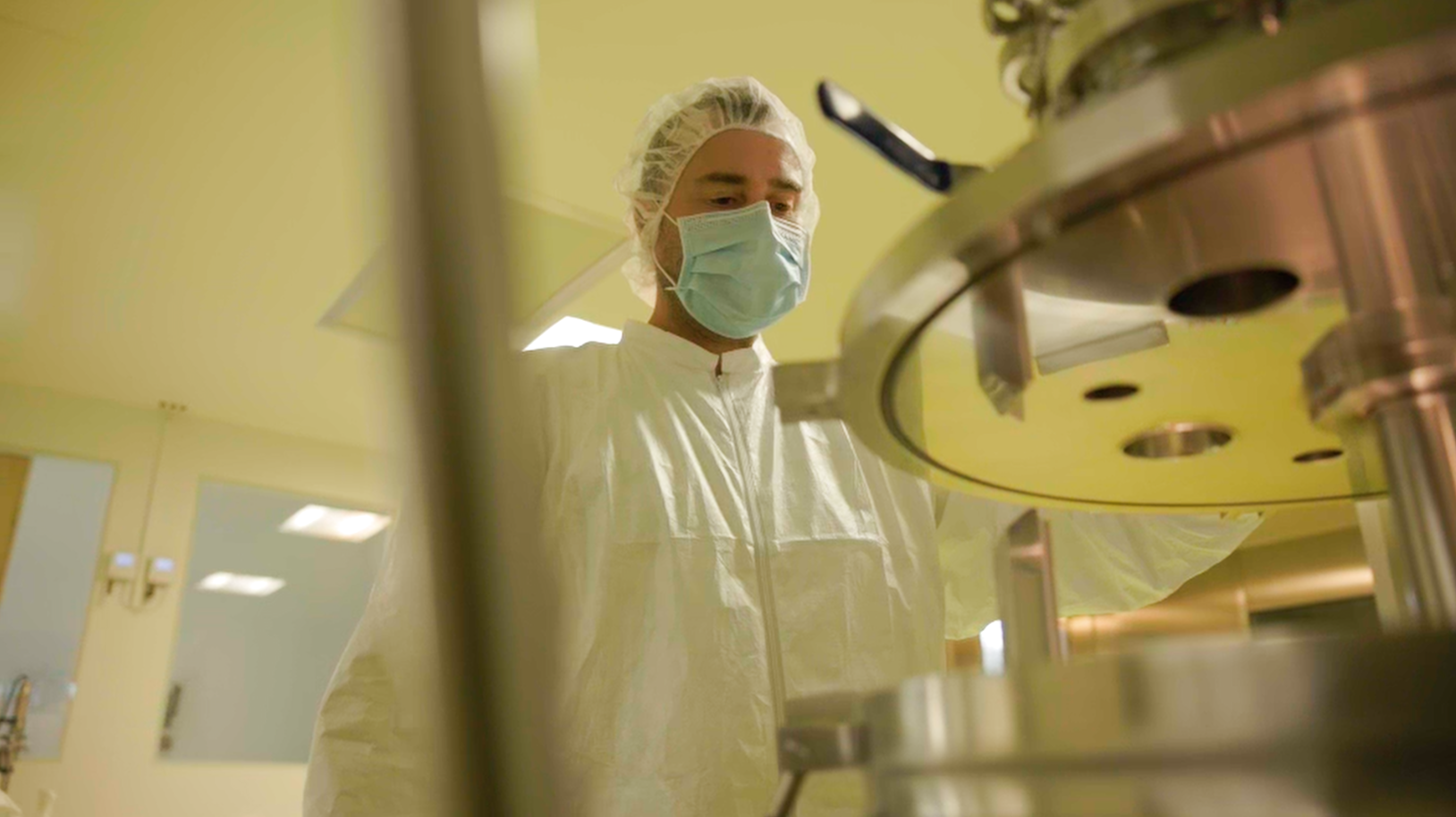
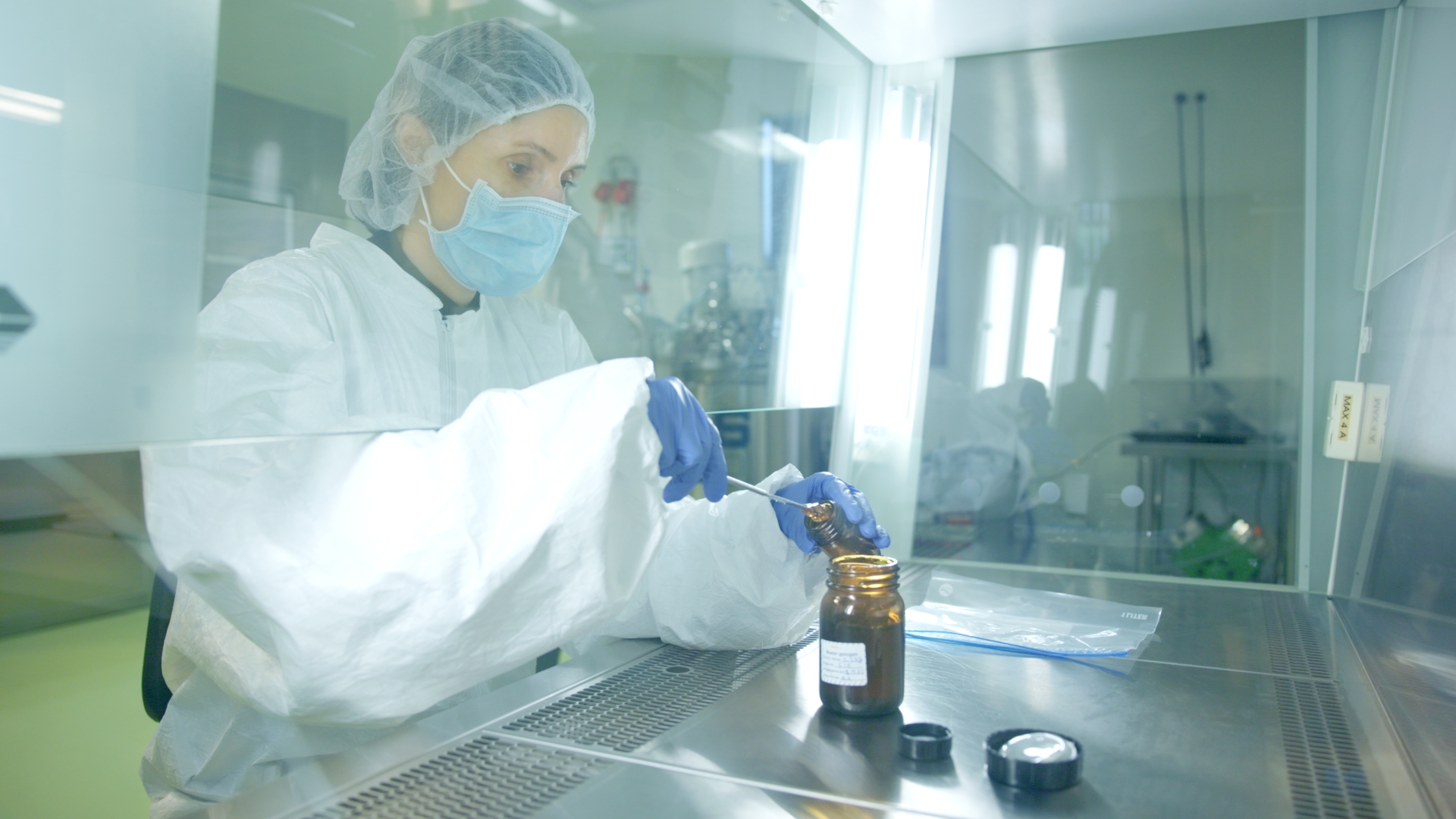
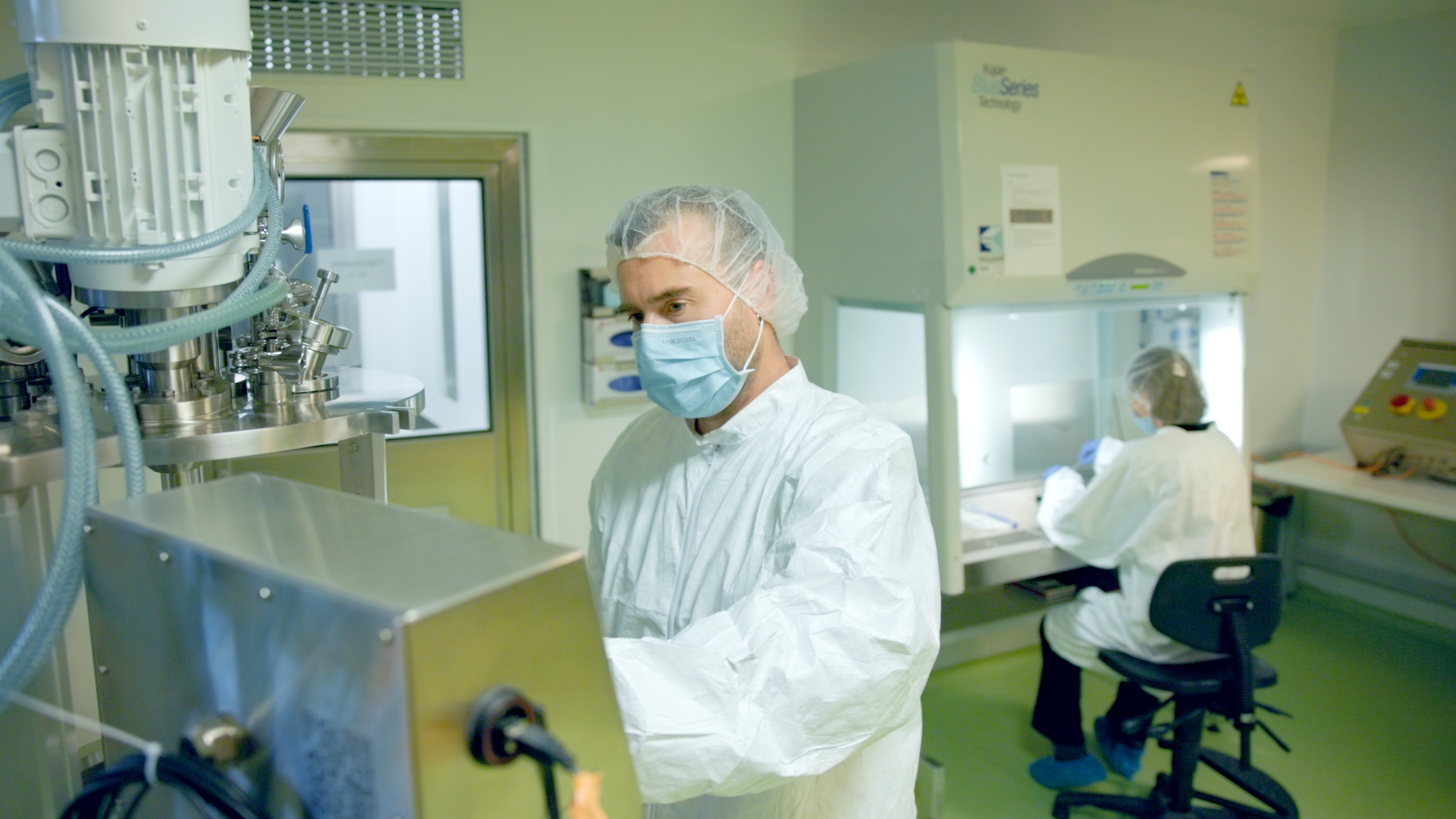
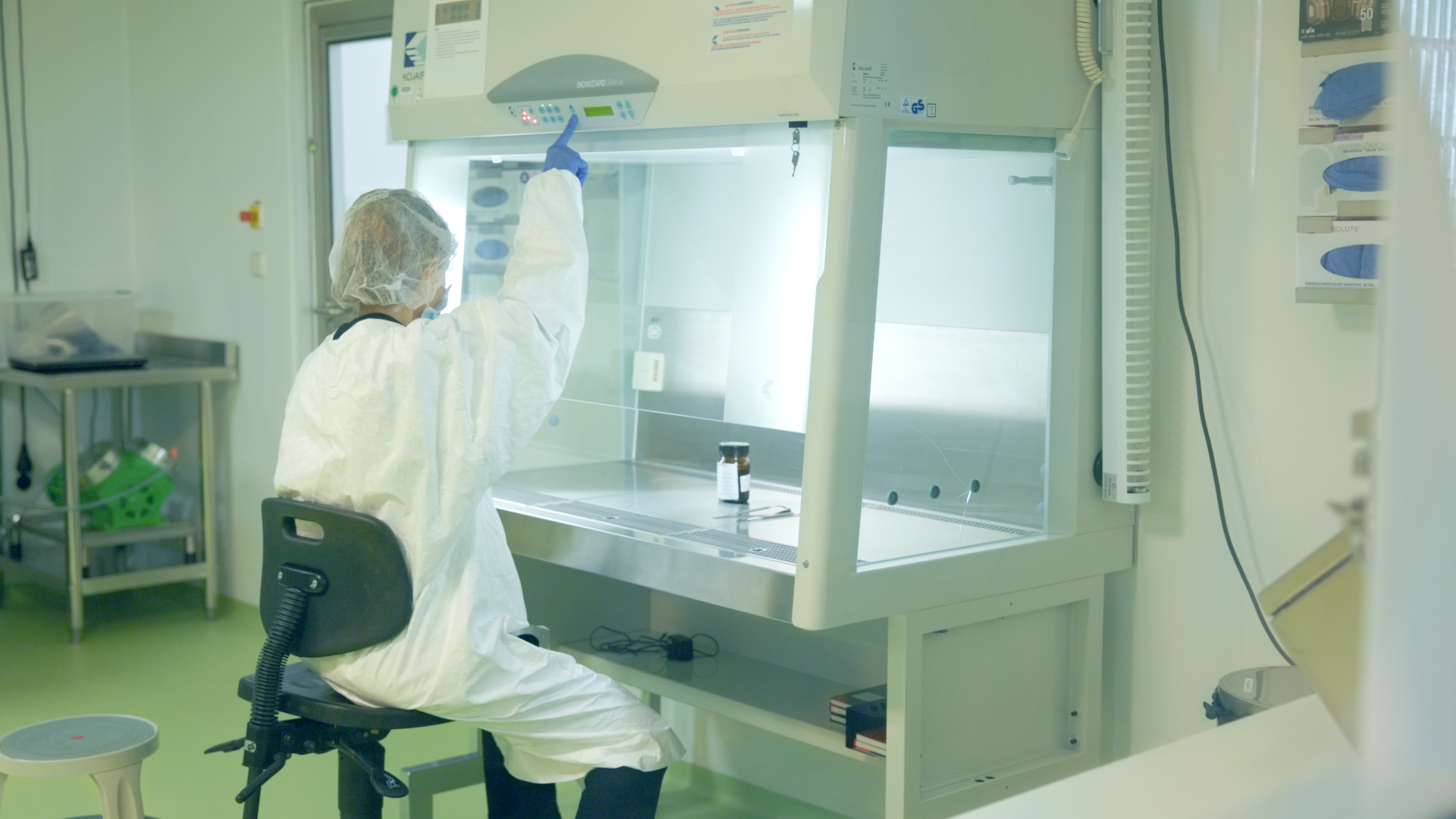
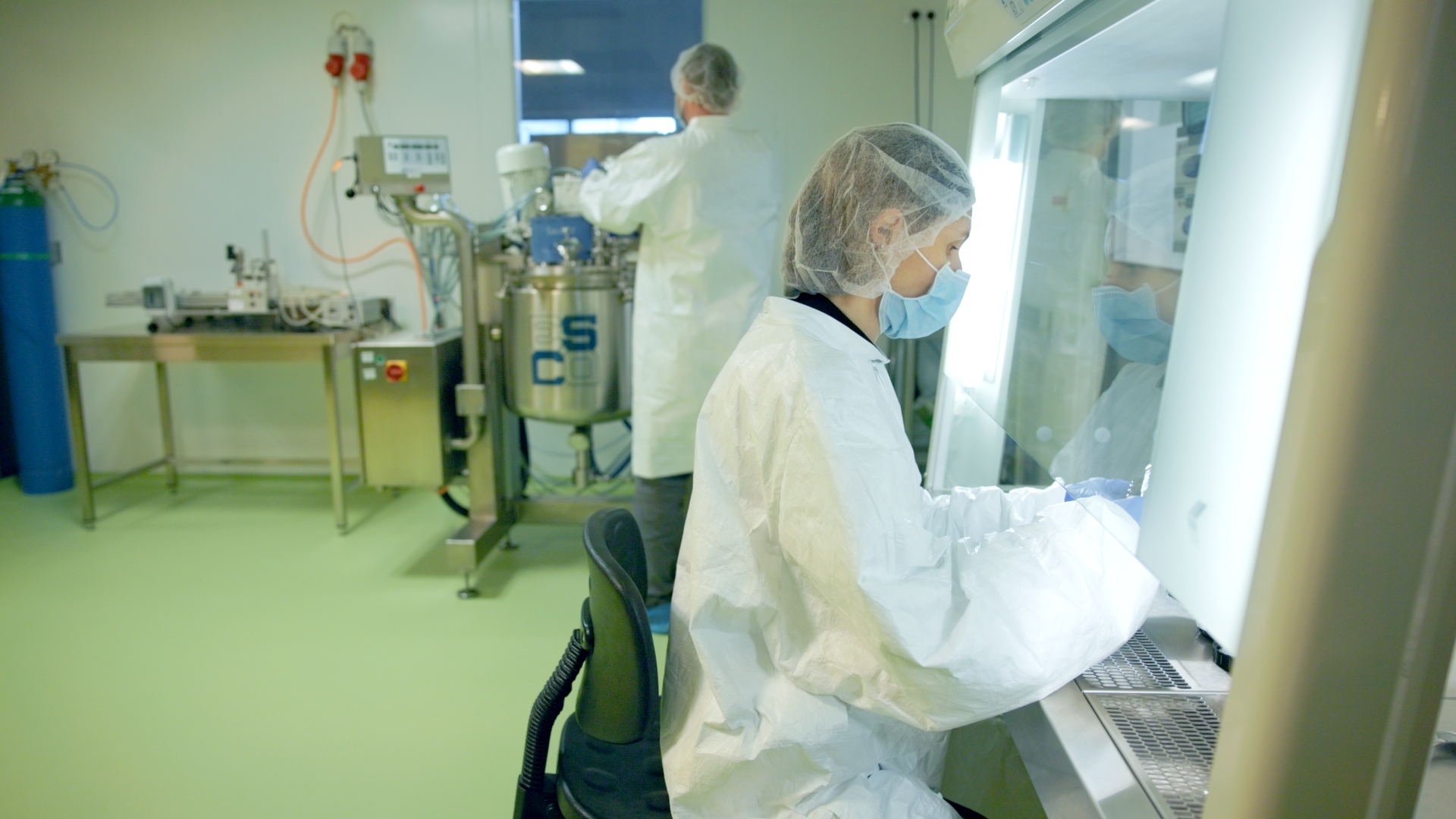
Dendropharm has its own research and production capacities, including cleanroom facilities and equipment for manufacturing ointments and creams, including veterinary applications. In this segment, we already have initial customers.
Your investment will fund the first clinical trials in humans (Phase I). In 2027, following an additional financing round, we plan patient trials (Phase II). Subsequently, we aim for out-licensing in 2028.
Your investment creates real value – and helps protect people from opioid addiction and severe side effects.
Team
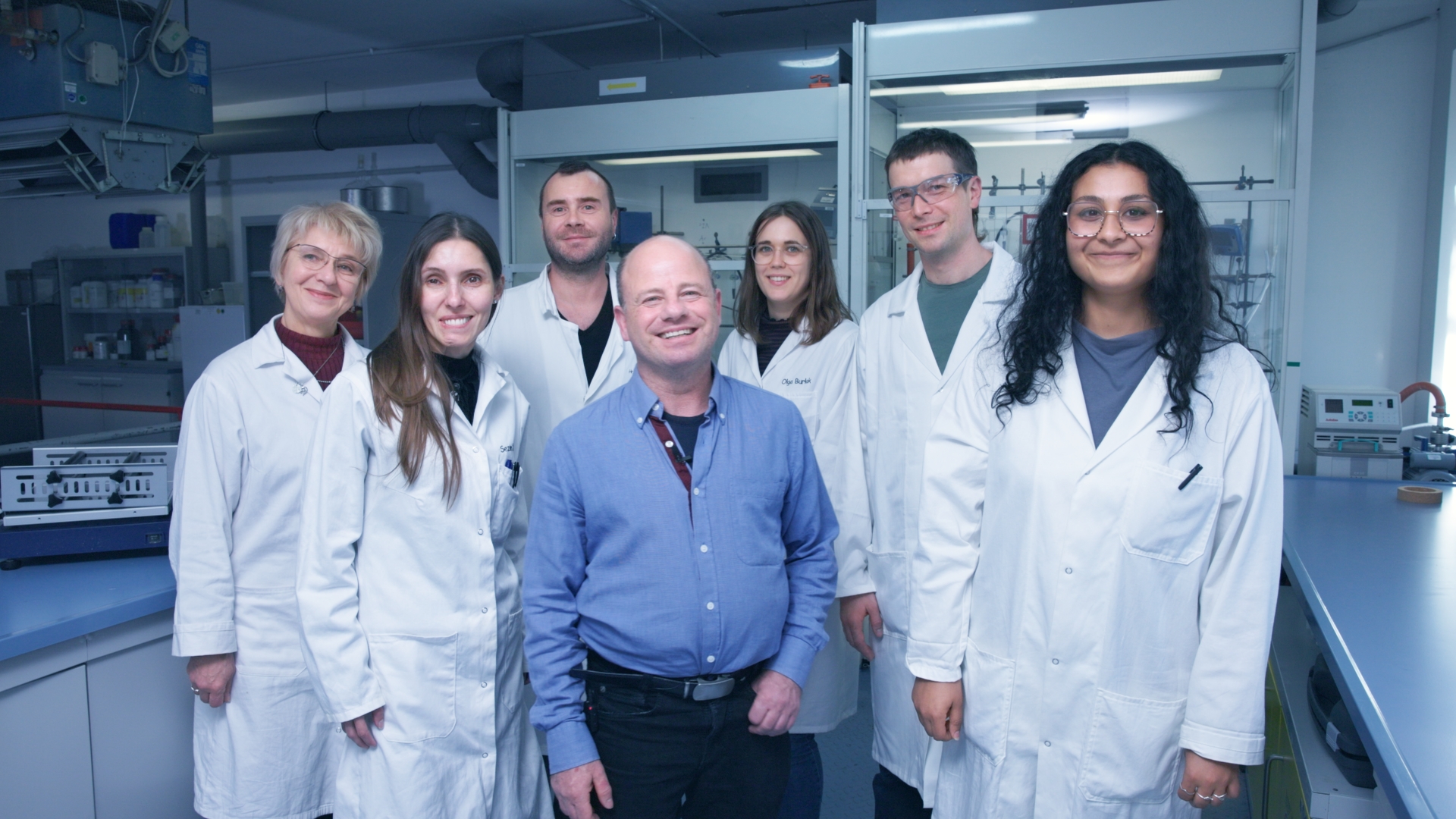
300 sqm of cleanrooms for drug manufacturing and nanomaterial synthesis, 5 analytical laboratories, plus storage and offices: on more than 650 sqm, our 12-person team develops innovative drugs. Supported by two interns, we are working to ensure that the first human application takes place as early as 2026.
Dr. Sam Dylan Moré
Founder and CEO
Dr. Benjamin Kerscher
Head of Manufacturing
Olga Burlak
Head of Quality Control Laboratory
Dr. Leo Sagurna
Research and Development
Sezin Üçbilek
Deputy Head of Manufacturing
Product and Customer Benefits
Opioid-induced addiction is becoming an increasingly serious problem in Germany as well. In the USA, the opioid crisis has already been classified as a national emergency.
Our technology provides effective pain relief – without the risk of addiction and without typical side effects such as sedation, respiratory depression, or constipation. The drug is administered intravenously (DENA-19) and can also be used in pain pumps.
For postoperative patients who want to actively participate in life without taking the risk of addiction, as well as for people who need to remain awake and responsive during treatment, our product offers a genuine alternative to conventional opioids.
Avoiding addiction potential creates significant societal value. This leads to faster approval and higher acceptance by health insurers, as such solutions are politically and regulatorily supported.

Planned portfolio extensions include:
- Depot formulation: an injection or placement of the depot gel in the surgical wound providing 3–7 days of analgesia.
- Utilizing tumor targeting for the development of cancer therapeutics.
Innovation and technology
With classical opioids, the painkiller reaches the brain directly, leading to addiction and severe side effects. In DendroPharm’s nanotechnology, a so-called nanocarrier accumulates directly in inflamed or tumor tissue. It is too large to cross the blood-brain barrier and therefore delivers the opioid exclusively to the site where it is needed: postoperative tissue, tumors, inflamed tissue. Addiction occurs in the brain. Our carrier prevents addictive opioids from reaching the brain.
All patent rights belong to us: we have significantly further developed the platform technology and designed various products. As so-called generics – a combination of an already approved active ingredient with an innovative nanocarrier – we have created a platform technology that can be approved more easily and quickly while maintaining full patent protection. The patent for the platform technology has already been granted in the EU, USA, and Canada. Two new patents, which will give us worldwide protection until 2045, will be filed in December 2025.
Additionally, we exclusively own all rights to the regulatory dossier.
The Fraunhofer Society, which conducts the preclinical safety studies and Phase I for us, receives 2.5% of the revenue. The Phase II study is planned to be conducted, among others, in cooperation with the Pain Research Department of the University Hospital in Jena.
Dendropharm was awarded the Berlin-Brandenburg Innovation Award in 2016. The NanoOpiate development project was selected for funding in 2020 by the Federal Ministry of Research, Technology, and Space (BMBF/BMFTR) from more than 80 consortia.
Market and target audience

The increasing life expectancy is leading to a rise in surgeries – and a higher demand for painkillers. This is the market our customers are targeting. The negative societal impacts of opioid addiction (keyword: opioid crisis in the USA) are driving the demand for a strong, non-addictive painkiller.
We address this demand with our patented technology: Dendropharm is developing an intravenous painkiller (DENA-19). This can also be used in pain pumps.
Furthermore, we are developing – also with chronic pain in mind – a depot formulation as a gel. This gel can either be placed directly during surgery or injected into the body as a long-acting preparation.
Our customers are the future licensees of our technology: large and medium-sized pharmaceutical companies worldwide. Revenues from pharmaceutical licenses over the patent term are currently estimated in the lower single-digit billion EUR range (EUR 1.2 - 1.8 billion), with 20–30% paid within the first four years.
Competition and Unique Selling Points
Dendropharm operates in an environment where many pain therapy concepts are still uncertain, in very early stages of development, or intended for other markets. Our advantage: We are faster and use an already approved painkiller, which we distribute selectively in the body using our nanotechnology. As a result, our drug can be out-licensed after about four years (directly after Phase II) – a decisive time and cost advantage over competitors.
Our technology is already patented in the USA, Canada, and Europe; additional global patents, including in China, are in preparation, securing more than 20 years of protection. In addition, our depot formulation will allow effective and low-side-effect treatment of moderate chronic pain in the future.
We meet important customer needs in the area of postoperative pain, offering faster market access, high safety, and precise dosing. A proof-of-concept in an animal model confirms efficacy, safety, and appropriate dosing – further evidence of the maturity and attractiveness of our approach.

Business Model and Sales
Dendropharm receives annual funding of approximately EUR 200,000 to 500,000. Internal research is supported by around 70–80% public funds.
Research projects of our academic partners (Charité University Hospital, Fraunhofer Society, universities) are funded 100% and the results are made available to Dendropharm under cooperation agreements.
Dendropharm’s business model is based on 3 pillars:

1. Development of New Drugs: NanoOpiate Project
We are developing a new drug in which patented nanomaterials are combined with already tested active ingredients to create an innovative, also patented, pharmaceutical product.
Human drugs such as the NanoOpiate are developed up to the first human trials. Afterwards, they are out-licensed. This generates license revenues of EUR 200 million to EUR 350 million at the initial out-licensing stage (between 2028 and 2031). Global out-licensing typically generates EUR 1.2 – 1.8 billion in revenue over the entire patent term.
The human drug is produced and marketed by the licensee; we receive payment for providing the documentation required for approval as well as for the patent rights.
2. Out-Licensing of Proprietary Cat Ointment with Subsequent Contract Manufacturing
For the veterinary sector, we developed a drug that is licensed to a distribution partner, who then purchases the drug produced by us and markets it at their own expense.
The cat ointment was out-licensed in 2021 and will be approved in 2026. From the following year, we expect continuous revenue.
3. Project Business: CDMO Services
To utilize our laboratories, production facilities, and especially the strategic advantage of a GMP manufacturing license, we offer the following project services to clients from start-ups, SMEs, and academic research groups:
- Development of new drugs and cosmetics
- Synthesis of active ingredients
- Analytical services such as transdermal skin penetration tests, research kits, stability testing of pharmaceuticals
- Small-batch production (from 2026)
Currently, we have client inquiries totaling approximately EUR 600,000 for 2026.
We use partnering meetings and trade fair contacts as sales channels. Access to academic clients is facilitated through existing university collaborations.

Collaborations mainly arise through existing networks, conferences, and partner meetings. Dendropharm retains full intellectual property rights (patents, know-how), while partners are involved based on the project and revenue.
Current partners include, among others:
- TU Berlin
- FU Berlin (Organic Chemistry, Veterinary Medicine)
- Fraunhofer Society (ITEM, IZI)
- Charité Berlin
- Universities in Halle, Leipzig, Potsdam, Ghent, and Vienna (BoKu)
Previous achievements
Successful Drug Developments and Initial Customer Base
- Already 6 customers from medium-sized companies, SMEs, research institutes, and start-ups for the development of new drugs
- Already 4 customers from the research sector for the synthesis of our innovative nanomaterials
- Development of our own veterinary drug and successful out-licensing to partners for global distribution: With our cat ointment, based on our transdermal technology, we were able to reduce the mortality of cats with hyperthyroidism by 70% compared to conventional tablets. For this, we won the Berlin-Brandenburg Innovation Award in 2016. Market entry is planned for 2026.

The Most Important Awards We Have Received
- Business Plan Competition 2014 – 2nd Place
- Winner of the Berlin-Brandenburg Innovation Award 2016
- Selected among the 5 most important high-impact nanotech startups worldwide in 2019 by the Business Analyst Platform startus insights
- September 2021 – ZGC Forum "100 Best Innovation Technology for International Transactions"
Establishment of a Modern Quality Management System
Prerequisite for customer orders and approval of drugs produced by us
- ISO 9001 certification since 2015.
- GMP certification in 2022 by Lageso. This is the internationally recognized pharmaceutical standard for our laboratory, authorizing us to perform regulatory-relevant drug analytics.
- Successfully completed inspection for pharmaceutical manufacturing authorization: September 2025.
With this foundation, we can significantly increase our revenue from 2026 by offering, in addition to development, the production of clinical trial samples as well as small-batch filling of drugs and cosmetics.
Goals and use of capital
Roadmap:
- Start Phase I in Q3 2026
- Start Phase II (verification of the effective dose in patients) in Q3 2027
- Start Phase II for the depot preparation in 2029
- Out-licensing between 2028 and 2031

The funds raised in the current financing round will be used specifically to advance the out-licensing of the Nano-Pain technology.
A significant portion of the capital will be allocated to expanding research and development. This includes hiring additional specialists, continuing employment of the existing team, and procuring necessary materials and laboratory resources.
Furthermore, the product pipeline will be expanded to explore new applications of the technology. Part of the funds will also be used for financing a "Fast-Track" approval process in the USA to accelerate market entry.
These measures lay the foundation for efficiently advancing the Nano-Pain technology into the next phase of development and commercialization.
Top reasons to invest
1. High Medical Need
Our product addresses a pressing medical problem that exists worldwide: chronic and acute pain. Millions of people could benefit from an effective, non-addictive pain therapy, creating a direct societal and health impact.
2. Leading in Painkiller Development
Dendropharm is among the top companies worldwide working on a peripherally acting painkiller. This positions us in a highly innovative market with strong growth and differentiation potential.
3. Advanced Development Stage
We have already completed 85% of the path toward out-licensing our platform technology. Investors benefit from low development risk and a clear roadmap to market launch.
4. Attractive Investment Timing
After the completion of the Phase I study, the company’s value typically increases significantly. Investing now offers the opportunity to generate a tangible impact – both for Dendropharm and for the investors.
Riskmanagement
- Management Risk: mitigated through clear regulatory guidelines, an experienced development team, and strong partnerships with research partners and customers;
- Technical Risks: mitigated through proof-of-concept, extensively confirmed in collaboration with the development partner Charité in animal models.
- Regulatory Risks: The path to Phase II is clearly defined from a regulatory perspective. We have already established contact with relevant regulatory authorities and are additionally advised by a consultancy with experience in nanomaterials.
- Financial Risk: project delays can be offset by revenue-generating activities. We are continuously expanding these with the goal of covering all ongoing costs from revenue, thereby avoiding significant dilution. In parallel, we are raising funds through a VC financing round in the range of EUR 3–6 million to enable Phase II in 2027.
- Loss of Know-How:
- Documentation of all research data in a secure cloud database that is continuously updated (Electronic Lab Notebook)
- Documentation of all regulatory data and manufacturing procedures on an externally secured server
- Maintaining high and externally certified quality standards in planning, execution, and documentation, which are annually reviewed by TUEV SUED according to ISO 9001
- Compliance with pharmaceutical standards for manufacturing and analytical procedures continues to be rigorously monitored by Lageso (equivalent to the government district authority)
About DendroPharm
Dendropharm was founded in 2013 – after two years of intensive preparation during which the start-up capital and additional funding were raised. The company was founded by Dr. Sam Moré, an experienced chemist with 10 years of background in nanomaterials research and 8 years of experience in founding start-ups; Dr. Henrik Lüssen, an expert in pharmaceutical business development; Dr. Margret Moré, an expert in pharmaceutical approvals; together with 2 post-docs from Prof. Haag’s research group.
The trigger for founding the company was the desire to apply pharmaceutical expertise meaningfully and to create a work environment where people from diverse backgrounds collaborate on a common goal: developing drugs with fewer side effects. A central part of the vision is to involve all employees in the company’s success and to foster a respectful, cooperative working culture.
By 2027, Dendropharm aims to be financially self-sustaining and to grow continuously.
Between 2028 and 2030, Dendropharm plans to transfer the jointly developed products into clinical application so that they can finally benefit patients.
FAQ
What happens if the preclinical development is not successful?
This would lead to an increase in costs of up to EUR 800,000, as the formulation of the depot preparation would then have to be adapted for postoperative applications.
What sets Dendropharm's technology apart from conventional painkillers?
In Dendropharm's nanotechnology, a so-called nanocarrier accumulates directly in the inflamed tissue or tumor tissue. It is too large to cross the blood-brain barrier and therefore delivers the opioid directly to the site where it hurts: postoperative tissue, tumors, inflamed tissue. Addiction occurs in the brain. Our carrier prevents addictive opioids from reaching the brain.
Can the technology also be used in cancer research, since tumors are targeted?
Yes, this is possible. Dendropharm has research collaborations with the Charité University Hospital of the Free University of Berlin as well as with the Fraunhofer Society, investigating how our nanocarriers can be best used in cancer treatment.
Due Diligence Dataroom
Hier können Sie Zugriff auf den Due Diligence Datenraum des Unternehmens anfragen.
Für die Freigabe ist es erforderlich, dass Sie sich auf der FunderNation Plattform identifizieren. Die Identifikation können Sie hier durchführen.
Ihre Anfrage leiten wir an das Unternehmen weiter. Wird der Zugang bestätigt, erhalten Sie ein NDA zur Unterzeichnung. Nach unterschriebenem NDA stellen wir Ihnen den Zugang zum Datenraum zur Verfügung. Wird der Zugang abgelehnt, sollten Sie dies in Ihrer Investitionsentscheidung berücksichtigen.
Finance
Updates
Updates
Business Plan
Contracts
Contracts and VIB

Investors
Comments

Our TrustScore: 4,6/5
Individuelle Berechnung Ihrer Rendite auf Basis der Finanzplanung und Ihres Investitionsbetrags – inklusive transparenter Zinsgrafik zur Darstellung der Auszahlung über die gesamte Laufzeit:
Calculate individual return